
Maybe you’ve related a little too well to a post online, or you’ve noticed quirks in yourself that don’t quite match what people call “normal.” In any case, you are not alone. Here’s a gentle, human way to explore the question.
First… What Is Neurodivergence?
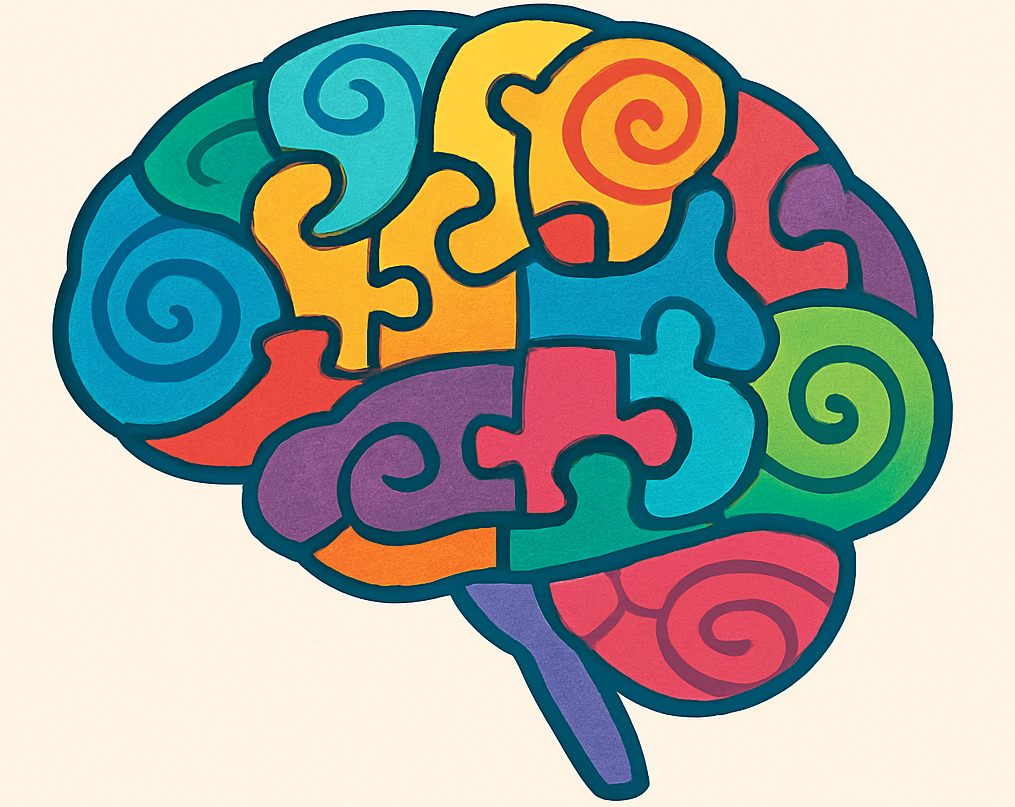
Neurodivergence simply means your brain works differently from what society labels as “typical.” Not wrong. Not broken. Just a different wiring pattern. It’s an umbrella term for many ways brains can operate. You might not know every neurotype, but you’ve probably heard of ADHD, Autism, Dyslexia, and others. Neurodivergence can show up in how you think, communicate, focus, sense the world, or organize life.
Are We Born This Way, or Does It Happen Later?
Most neurodivergence is something you’re born with, though you may not recognize it until later in life. Experiences can hide it or bring it into focus. Realization can come at any age—and it’s valid whenever it arrives.
- A child with ADHD may cope fine at home but struggle with the structure of school.
- An autistic adult might “mask” their traits so well that even they don’t realise what they’re masking.
- Stress, burnout, parenting responsibilities, or major life changes can make long-standing traits suddenly clearer.
How to Tell If You Might Be Neurodivergent
There’s no simple yes-or-no test, but there are questions worth reflecting on:
- Have you often felt “out of sync” with people around you?
- Do you need more structure—or more freedom—than others seem to?
- Are sensory things like noise, textures, or lights overwhelming or irresistible?
- Do you forget appointments entirely, or hyper-focus until you lose track of time?
- Is socialising draining—even if you enjoy it?
- Have you created clever coping strategies that no one sees?
Feeling resonance with these doesn’t automatically mean you’re neurodivergent. It simply means your brain works in a way worth exploring—through reading, community spaces, self-reflection, or a professional assessment if you want clarity.
If You’re an Adult Realizing You’re Neurodivergent
This realization can bring relief, grief, clarity, belonging, or all of these. It’s not a crisis. It’s a form of coming home to yourself. What can help:
- Be gentle with your younger self—you did the best you could with the tools you had.
- Learn about your neurotype so you can build a life that supports your wiring.
- Seek support if you want it—therapy, assessment, accommodations at work.
- Create routines and habits that work for your brain, not someone else’s version of “normal.”
A Closing Tip✨
If you’re asking the question, that alone is a meaningful step. Exploring your brain isn’t about labels—it’s about understanding yourself with more compassion and honesty than ever before.